Industrial robots are increasingly prevalent in various sectors, enhancing productivity and efficiency. However, their integration into workplaces introduces significant hazards that must be understood and managed. This comprehensive guide explores the various hazards associated with industrial robot applications and the safety standards that govern their use. Readers will learn about mechanical, electrical, and laser hazards, as well as the importance of risk assessments and safeguarding measures. Understanding these hazards is crucial for ensuring a safe working environment and compliance with relevant safety standards. The article will cover common hazards, safety standards, risk assessment methodologies, safeguarding measures, and the essential role of Industrial Robot Safety Training and Certification in promoting safety.
What Are the Common Hazards in Industrial Robot Applications?
Industrial robots present several hazards that can lead to serious injuries or fatalities if not properly managed. Understanding these hazards is essential for implementing effective safety measures.
Which Mechanical and Electrical Hazards Affect Industrial Robots?
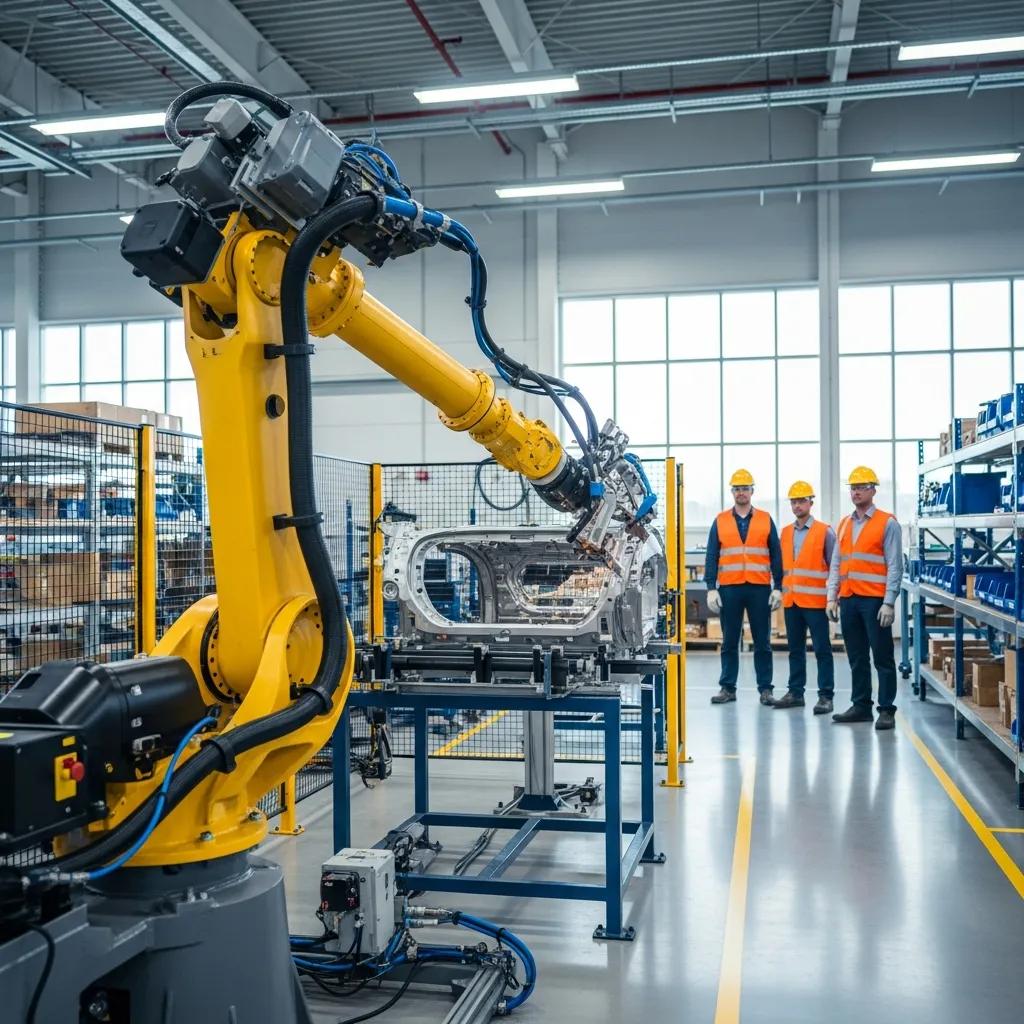
Mechanical hazards in industrial robots primarily involve moving parts that can cause crush injuries or entanglement. Common mechanical hazards include:
Moving Parts: Robotic arms and other components can pose risks of pinching or crushing.
Unexpected Startups: Robots may start unexpectedly due to programming errors, system malfunctions, or control system failures.
Improper Maintenance: Lack of regular maintenance can lead to mechanical failures, increasing the risk of accidents.
Electrical hazards are also significant, as robots rely on complex electrical systems. Key electrical hazards include:
Electrical Shock: Faulty wiring or insulation can expose workers to electrical shock.
Arc Flash: High-voltage components can cause arc flashes, leading to severe burns or injuries.
Overloading Circuits: Improperly designed or maintained electrical systems can lead to overheating and fires.
How Do Laser Hazards Impact Robotic Systems?
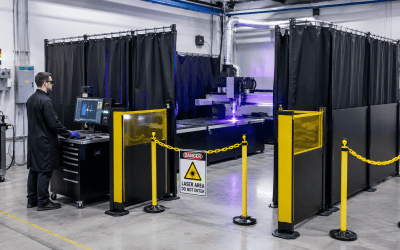
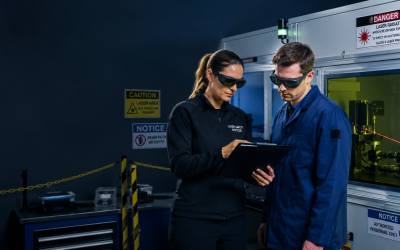
Laser hazards are particularly relevant in applications where robots are used for cutting, welding, or marking. The primary risks associated with laser use include:
Eye Damage: Direct or reflected exposure to laser beams can cause permanent eye injuries.
Skin Burns: High-powered lasers can cause severe burns upon contact with skin.
Fire Hazards: Lasers can ignite flammable materials, leading to fires in industrial settings.
To mitigate these risks, it is essential to implement appropriate safety measures, such as protective barriers, interlocks, and proper training for operators.
Which Safety Standards Govern Industrial Robot and Laser Safety?
Safety standards play a crucial role in ensuring the safe operation of industrial robots and the use of lasers. Understanding these standards helps organizations comply with regulations and protect their workers.
How Does ANSI Z136.1 Integrate with Robot Safety Standards?
ANSI Z136.1 is a key standard that governs the safe use of lasers in various applications. It provides guidelines for:
Laser Classification: Identifying the hazards associated with different types of lasers.
Control Measures: Implementing safety measures to protect workers from laser exposure.
Training Requirements: Ensuring that personnel are adequately trained in laser safety protocols.
This standard integrates with robot safety standards by emphasizing the need for comprehensive safety measures when lasers are used in robotic applications.
What Are the Roles of OSHA, ANSI/RIA R15.06, and ISO 10218 in Robot Safety?
Several organizations contribute to the development of safety standards for industrial robots:
OSHA (Occupational Safety and Health Administration): OSHA sets and enforces workplace safety regulations, including those related to robotic systems.
ANSI/RIA R15.06: This standard outlines safety requirements for industrial robots, focusing on risk assessment and safeguarding measures. It is harmonized with ISO 10218.
ISO 10218: This international standard provides guidelines for the safety of industrial robots, including design and operational safety. It is divided into two parts: ISO 10218-1 (robot manufacturers) and ISO 10218-2 (robot system integrators).
These standards collectively ensure that organizations implement effective safety measures to protect workers from hazards associated with industrial robots.
How Is Risk Assessment Conducted for Robotic Cells Including Laser Hazards?
Conducting a thorough risk assessment is essential for identifying and mitigating hazards in robotic applications. This process involves several key methodologies.
What Methodologies Identify and Evaluate Robot and Laser Risks?
Common methodologies for risk assessment include:
Hazard Identification: Systematically identifying potential hazards associated with robotic systems and laser use.
Risk Analysis: Evaluating the likelihood and severity of identified hazards to determine their risk levels.
Risk Evaluation: Comparing estimated risks against acceptable risk criteria to prioritize mitigation efforts.
These methodologies help organizations develop a comprehensive understanding of the risks associated with their robotic systems.
Emerging research highlights how advanced methodologies, including AI integration and adherence to standards, are crucial for enhancing the trustworthiness and effectiveness of risk assessments in human-robot collaboration.
AI-Enhanced Risk Assessment & Standardization for HRC Safety
Improving risk assessment (RA) for human-robot collaboration (HRC) is crucial, given challenges in existing RA tools. This study explores how Artificial Intelligence (AI) can enhance risk assessment methods. Adhering to standards significantly improves the trustworthiness of AI-driven risk assessments, ensuring consistent, and validated results across diverse HRC scenarios. Safe human-robot collaboration: a systematic review of risk assessment methods with AI integration and standardization considerations, MJ Alenjareghi, 2024
Which Strategies Mitigate Hazards in Industrial Robot Applications?
To effectively mitigate hazards, organizations can implement several strategies:
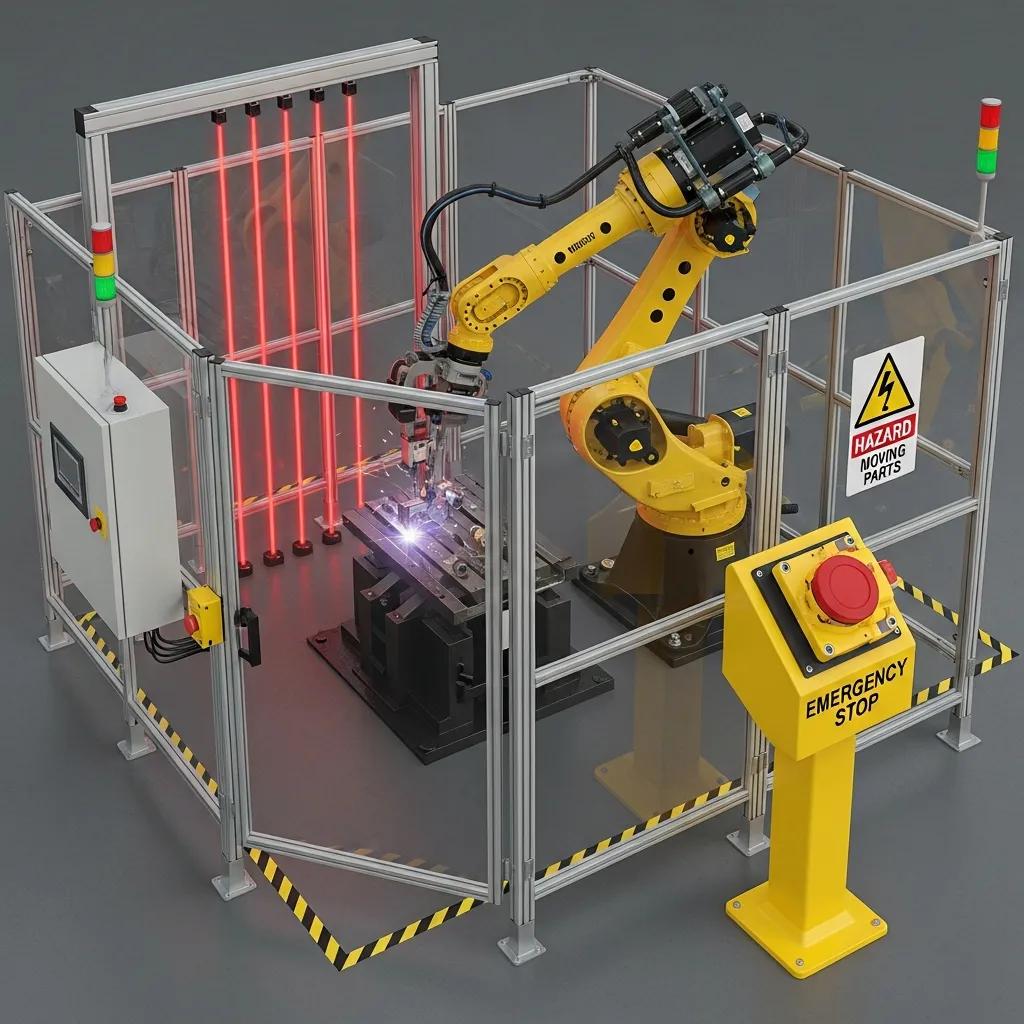
Engineering Controls: Designing robots with safety features, such as emergency stop buttons, safety barriers, interlocks, and light curtains, to reduce risks.
Administrative Controls: Establishing safety protocols and procedures to guide safe robot operation.
Personal Protective Equipment (PPE): Providing appropriate PPE to workers to protect against potential hazards.
Implementing these strategies can significantly reduce the risk of accidents in industrial robot applications.
What Safeguarding and Control Measures Protect Against Industrial Robot Hazards?
Safeguarding measures are critical for protecting workers from hazards associated with industrial robots. These measures can be categorized into engineering controls and administrative controls.
Which Engineering Controls Address Mechanical and Laser Hazards?
Engineering controls are designed to eliminate or reduce hazards at the source. Key engineering controls include:
Safety Barriers: Physical barriers that prevent unauthorized access to robotic work areas.
Light Curtains: Safety devices that detect the presence of personnel and stop robot operation if someone enters a hazardous area.
Emergency Stop Systems: Mechanisms that allow operators to quickly halt robot operation in case of an emergency.
Interlocks: Devices that prevent robot operation when safety barriers or doors are open.
These controls are essential for minimizing the risk of accidents in environments where robots and lasers are used.
How Do Administrative Controls and PPE Enhance Robot Safety?
Administrative controls and PPE play a vital role in enhancing safety in robotic applications. Key components include:
Training Programs: Comprehensive training for operators on safe robot operation and hazard recognition.
Safety Protocols: Establishing clear procedures for robot operation, maintenance, and emergency response.
Personal Protective Equipment: Providing appropriate PPE, such as safety glasses (including laser safety eyewear when applicable) and gloves, to protect workers from potential hazards.
By combining engineering controls with administrative measures and PPE, organizations can create a safer working environment.
Research further emphasizes the importance of identifying critical hazard factors and implementing appropriate risk reduction measures, including personal protective equipment, in industrial robot applications.
Of 27 hazards needed immediate risk reduction measures, such as proper personal protective equipment (PPEs). The others did not require further protective measures due to low risk. Critical hazard factors in the risk assessments of industrial robots: causal analysis and case studies, J Shin, 2021
What Are the Specific Safety Requirements for Collaborative Robots with Laser Integration?
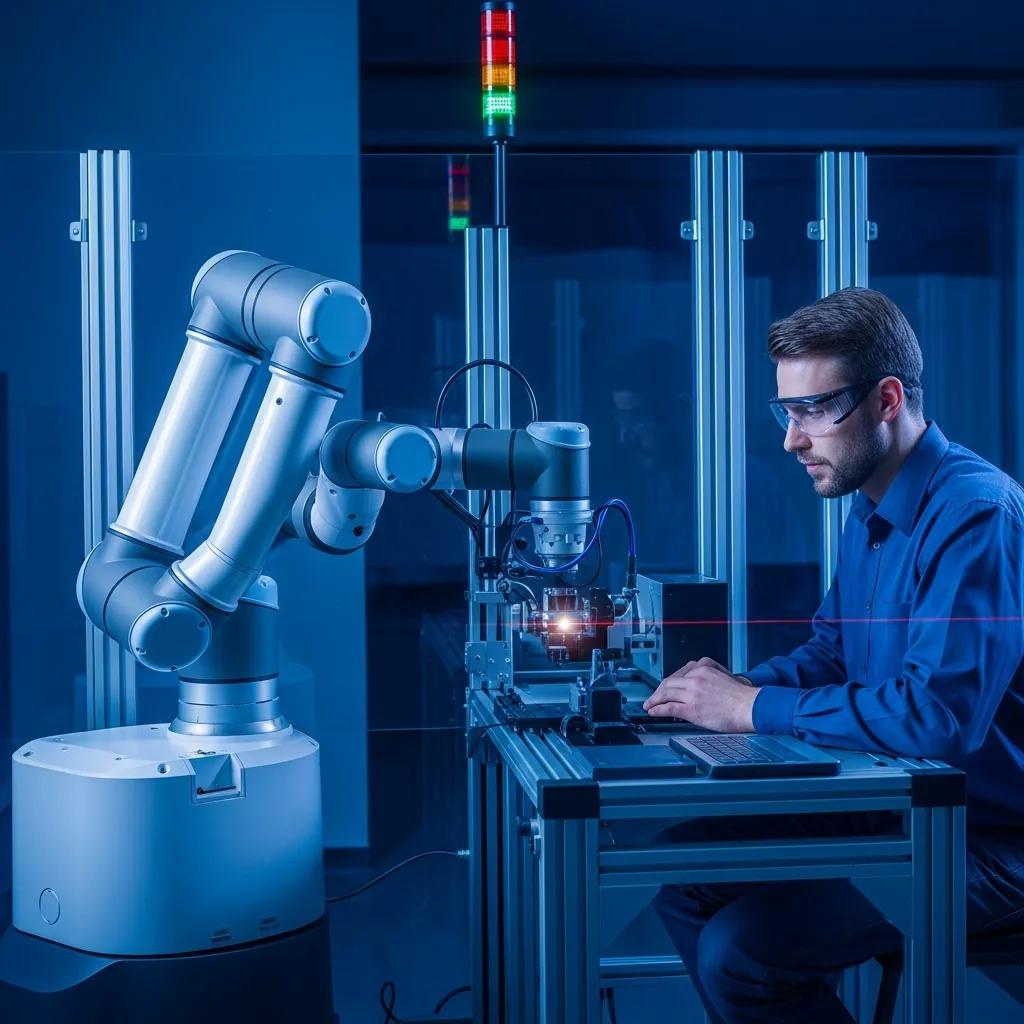
Collaborative robots, or cobots, are designed to work alongside human operators. However, their integration with lasers introduces unique safety challenges.
How Do Power and Force Limiting and Speed Monitoring Ensure Cobot Safety?
Power and force limiting features are essential for ensuring the safety of collaborative robots. These features include:
Force Limiting: Cobots are designed to stop or slow down when they encounter resistance, reducing the risk of injury to human operators.
Speed Monitoring: Monitoring the speed of cobots ensures that they operate within safe limits, preventing accidents.
These safety features are crucial for maintaining a safe working environment in collaborative settings.
Further insights into the evolving landscape of human-robot collaboration safety, including relevant standards and implementation strategies, are highlighted in recent research.
Given the significance of safety assurance in HRC, in this survey paper, an update on standards and implementation approaches presented in the latest literature is given to reflect the state-of-the-art of this prominent research topic. First, an overview of safety standards for industrial robots, collaborative robots, and HRC is provided. Then, a survey of various approaches to HRC safety is conducted from two main perspectives, i.e., pre-collision and post-collision, which are further detailed in the aspects of sensing, prediction, learning, planning/replanning, and compliance control. Safe human–robot collaboration for industrial settings: a survey, W Li, 2024
What Laser Safety Considerations Are Unique to Collaborative Robot Environments?
In collaborative environments, laser safety considerations include:
Dynamic Workspaces: Cobots often operate in close proximity to human workers, necessitating strict laser safety protocols.
Adaptive Safety Measures: Implementing safety measures that can adapt to changing work conditions and personnel movements, such as adjustable laser power levels and presence sensing.
Addressing these considerations is vital for ensuring the safe operation of collaborative robots that utilize lasers.
Why Is Robot Safety Training Essential and How Does Industrial Laser Safety Certification Help?
Training is a critical component of ensuring safety in industrial robot applications. Proper training equips workers with the knowledge and skills necessary to operate robots safely.
Who Should Pursue Industrial Laser Safety Certification and LSO Training?
Operators: Individuals who directly operate robots and lasers must understand the associated hazards and safety protocols.
Supervisors: Supervisors should be trained to oversee safe operations and ensure compliance with safety standards.
Maintenance Personnel: Those responsible for maintaining robotic systems need to be aware of safety measures to prevent accidents during maintenance activities.
Laser Safety Officers (LSOs): Individuals designated to oversee laser safety programs within organizations.
By pursuing certification, these individuals can enhance their understanding of safety protocols and contribute to a safer workplace.
How Does Certification Ensure Compliance with ANSI Z136.1 and OSHA Guidelines?
Certification programs help ensure compliance with safety standards by:
Providing Comprehensive Training: Certification programs cover essential safety topics, including hazard recognition and risk mitigation.
Establishing Accountability: Certified individuals are more likely to adhere to safety protocols and promote a culture of safety within their organizations.
Facilitating Regulatory Compliance: Certification demonstrates a commitment to safety and compliance with ANSI Z136.1 and OSHA guidelines.
By investing in training and certification, organizations can significantly enhance their safety practices and reduce the risk of accidents associated with industrial robots and lasers.
We use cookies to ensure that we give you the best experience on our website. If you continue to use this site we will assume that you are happy with it.Ok