Comprehensive Guide to Laser Safety Barriers: Ensuring OSHA and ANSI Compliance for Workplace Protection
Laser safety barriers are essential for protecting personnel from unintended exposure to laser radiation and preventing serious injury. This guide examines barrier types, their role in hazard control, and the regulatory standards that govern their use. It also outlines the benefits of laser safety training and certification, and explains where to procure certified barriers and kits. Understanding these elements enables organizations to comply with OSHA and ANSI standards and strengthen workplace safety.
What Are Laser Safety Barriers and Why Are They Essential?
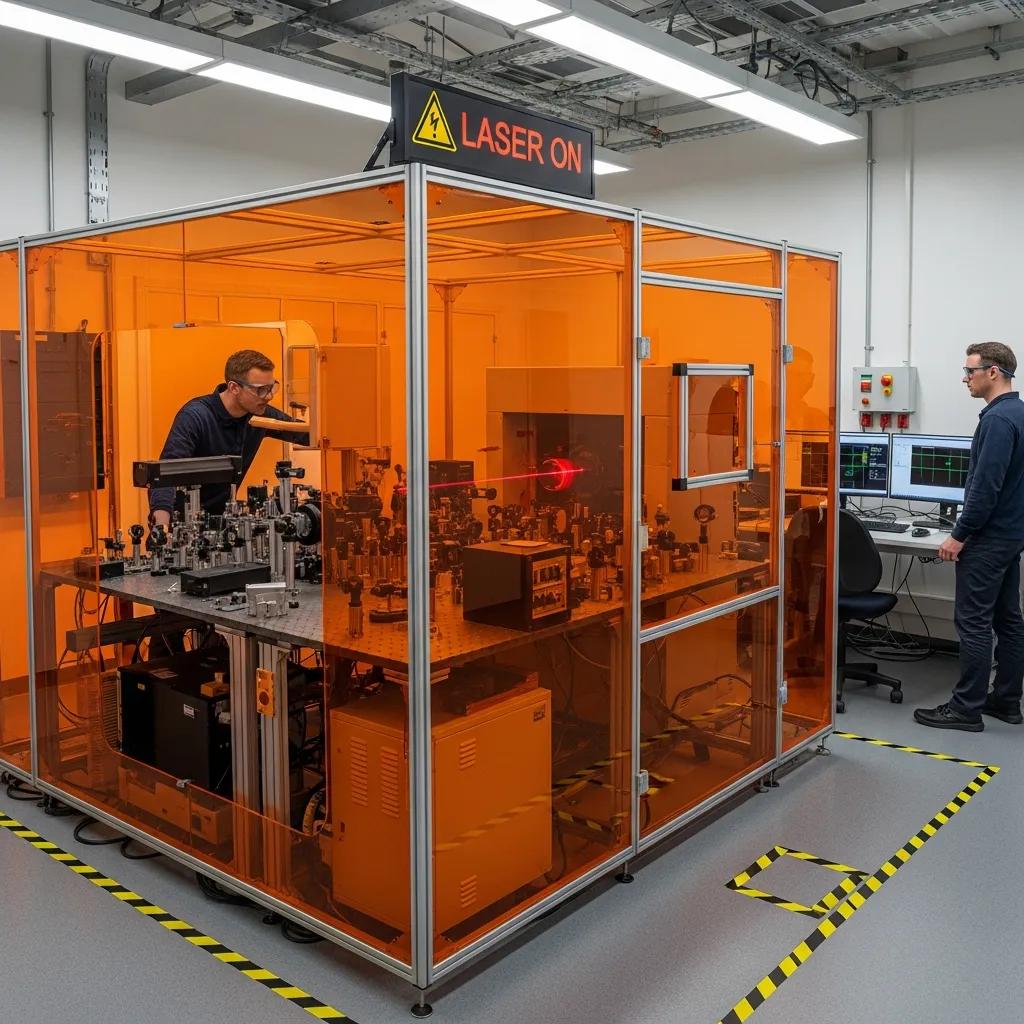
Laser safety barriers are engineered structures that prevent unintended exposure to laser radiation. They reduce the risk of injury by controlling beam propagation and restricting access to hazardous zones. Proper implementation protects employees and helps organizations meet applicable safety regulations, thereby reducing legal and operational risk.
Defining Laser Safety Barriers and Their Role in Hazard Control
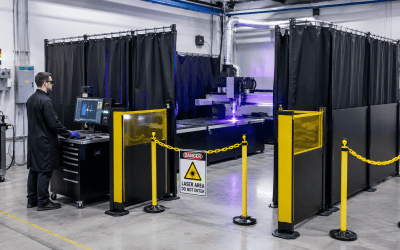
Laser safety barriers include curtains, shields, and walls designed to contain or redirect laser beams. Their primary function is to limit exposure to authorized personnel and control hazards associated with laser operation. Conformance with established safety standards is essential to prevent incidents and maintain a compliant workplace.
How Laser Safety Curtains Complement Barrier Systems
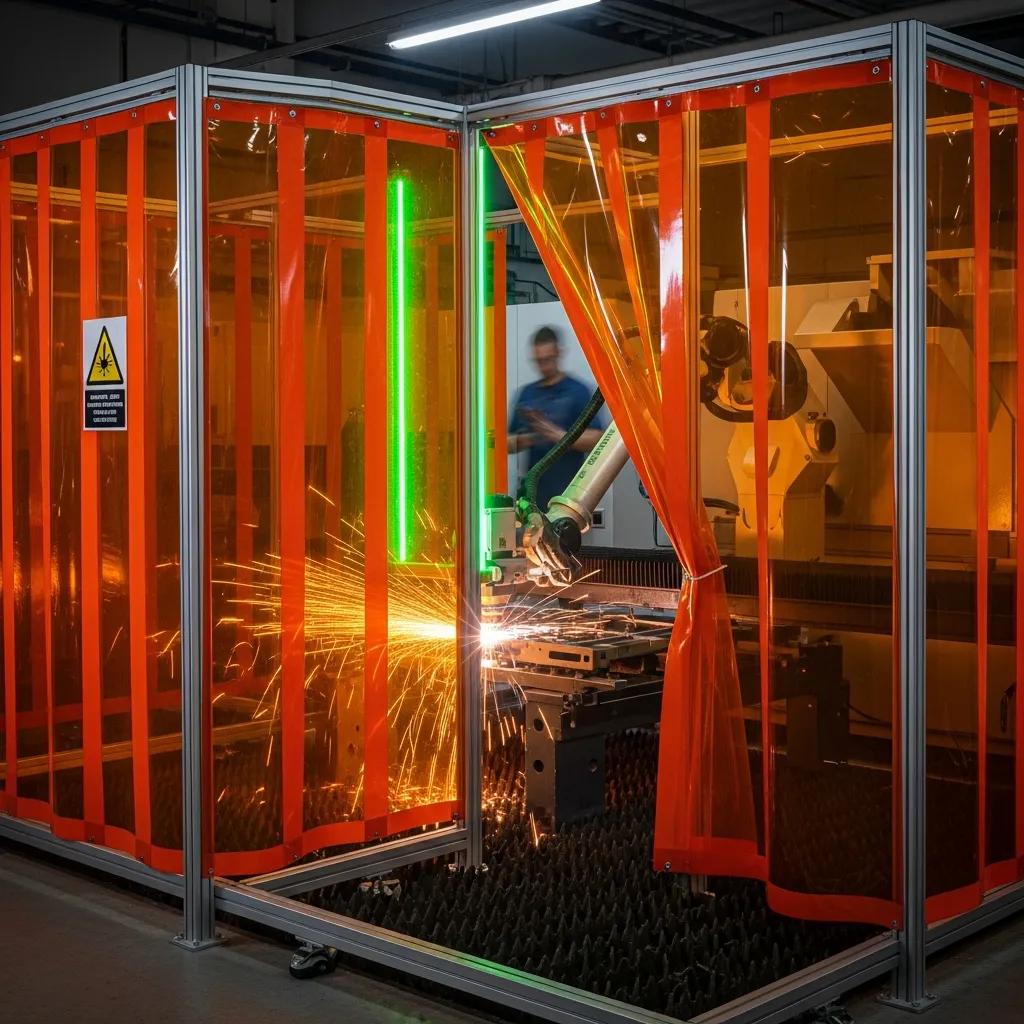
Laser safety curtains provide flexible, deployable protection against laser radiation. They are appropriate for dynamic work environments where fixed barriers are impractical and supplement permanent systems by offering adaptable coverage. The use of curtains enhances hazard control by providing a versatile containment solution.
Which Regulatory Standards Govern Laser Safety Barriers?
Compliance requires an understanding of the regulatory framework that governs laser safety. The principal standards include OSHA regulations and ANSI Z136 standards . These documents specify workplace requirements and safety measures that organizations must implement to protect employees.
Overview of OSHA Requirements for Laser Safety
OSHA’s General Duty Clause obliges employers to provide a safe workplace, which includes controls for laser use such as installing appropriate barriers. Employers must also ensure personnel receive training on laser safety protocols and the correct use of protective equipment. Adherence to OSHA requirements reduces the likelihood of laser-related incidents.
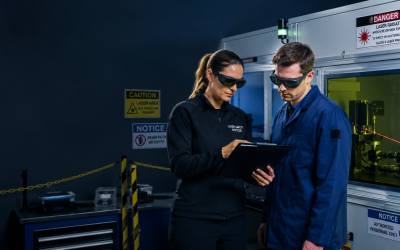
In addition to barriers, regulatory guidance requires specific personal protective equipment—such as approved laser eyewear—for higher-class lasers.
Understanding ANSI Z136 Standards for Laser Control Areas
The ANSI Z136 standards provide comprehensive guidance for the safe use of lasers in diverse environments. They define laser control areas according to exposure risk and prescribe required protective measures, including barriers. Compliance with ANSI Z136 enhances workplace safety and demonstrates an organization’s commitment to protection.
What Types and Materials Are Used in Laser Safety Barriers?
Laser safety barriers are manufactured from several materials that vary in protection and durability. Common options include:
- Acrylic: Lightweight and transparent, acrylic barriers are effective for low to medium power lasers.
- Polycarbonate: Known for its high impact resistance, polycarbonate is suitable for higher power lasers.
- Metal: Metal barriers provide robust protection and are often used in industrial settings.
Selection depends on the laser hazard classification and the intended application of the barrier.
Research supports the effectiveness of materials such as polycarbonate against specific laser types, underscoring their role in both barriers and personal protective equipment.
Comparing Barrier Materials: Durability and Laser Attenuation Properties
| Material | Durability | Laser Attenuation | Best Use Case |
|---|---|---|---|
| Acrylic | Moderate | Low to Medium | Low to medium power lasers |
| Polycarbonate | High | Medium to High | Medium to high power lasers |
| Metal | Very High | High | Industrial applications |
This comparison demonstrates the need to select materials based on the specific laser application and safety requirements.
Selecting Appropriate Barrier Types for Different Laser Hazard Zones
Selecting the appropriate barrier type requires assessment of the laser hazard classification and the operational environment. Consider laser power, potential for accidental exposure, and workspace characteristics to ensure barriers provide adequate protection tailored to each application.
How Are Laser Safety Barriers Properly Installed and Maintained?
Barriers must be installed in accordance with manufacturer instructions and applicable safety standards. Conduct regular maintenance to verify condition and performance, inspecting for wear or damage and replacing components as required.
Routine Inspection and Maintenance of Laser Safety Barriers
Establish a scheduled inspection program to assess barrier condition and identify defects. Inspections should address:
- Physical Integrity: Check for cracks, tears, or other damage.
- Attachment Points: Ensure that barriers are securely mounted and stable.
- Cleaning: Maintain cleanliness to prevent obscured visibility and effectiveness.
A comprehensive inspection and maintenance program ensures barriers continue to provide effective protection.
What Are the Benefits of Laser Safety Training and Certification?
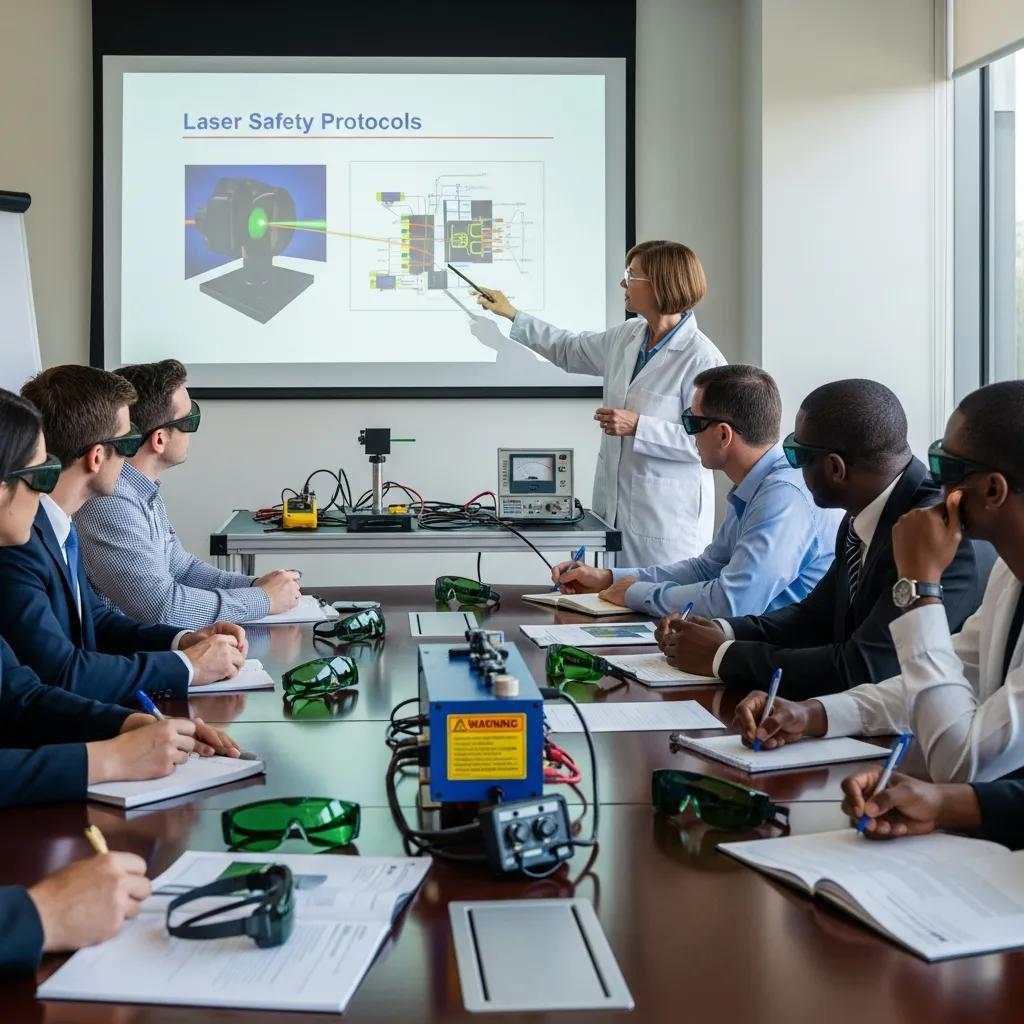
Laser safety training and certification deliver essential knowledge on hazards, required protocols, and the correct use of protective equipment. Primary benefits include:
- Enhanced Safety Awareness: Training increases awareness of potential hazards and promotes safe practices.
- Regulatory Compliance: Certification ensures that organizations meet OSHA and ANSI requirements.
- Reduced Liability: Proper training can help mitigate the risk of accidents and associated legal liabilities.
For organizations seeking to strengthen safety protocols, investing in laser safety training is a crucial step.
Role of Laser Safety Officers in Managing Barrier Compliance
Laser Safety Officers (LSOs) are responsible for overseeing compliance with laser safety regulations, including the installation and maintenance of barriers. LSOs ensure personnel receive appropriate training and understand safety protocols. Their oversight is essential to maintain a compliant and safe workplace.
Establishing a comprehensive laser safety program, led by LSOs and aligned with ANSI and OSHA standards, is fundamental to workplace protection.
Advantages of OSHA and ANSI Compliant Laser Safety Training Programs
OSHA and ANSI-compliant training programs provide a structured curriculum covering essential safety topics, including:
- Emergency Preparedness: Training prepares employees to respond effectively in case of an incident.
- Standardized Training: Ensures that all employees receive consistent and thorough instruction.
- Documentation: Provides a record of training completion, which is essential for compliance audits.
Investing in compliant training strengthens organizational safety culture and reduces the risk of laser-related incidents.
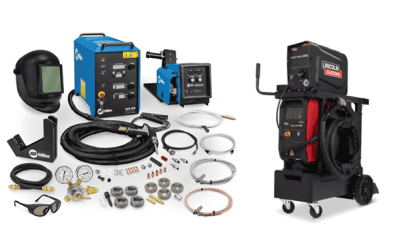
on enables selection of a kit that provides appropriate protection and regulatory compliance.
Frequently Asked Questions
What are the common misconceptions about laser safety barriers?
A common misconception is that barriers are necessary only for high-power lasers. Low-power lasers can also present hazards if not properly controlled. Additionally, barriers alone do not constitute a complete safety strategy; training and personal protective equipment are required components of effective hazard control.
How often should laser safety barriers be inspected?
Inspect barriers regularly, ideally on a monthly basis, to verify effectiveness. Focus on physical integrity, signs of wear or degradation, and address any deficiencies through a maintenance schedule. Regular inspections support regulatory compliance and protect personnel from potential exposure.
Can laser safety barriers be customized for specific applications?
Barriers can be customized to meet specific application requirements. Customization may include adjustments to size, shape, or material to suit unique work environments and laser hazard classifications. Work with manufacturers to design solutions that meet operational and safety needs.
What training is required for employees working near laser safety barriers?
Employees working near laser safety barriers must complete comprehensive laser safety training covering the types of lasers in use, the function and importance of barriers, proper safety protocols, and emergency response procedures. Regular refresher courses are recommended to maintain competence and align with regulatory changes.
How do I know if my laser safety barriers are compliant with OSHA and ANSI standards?
Verify compliance by confirming product certification from recognized organizations and reviewing manufacturer specifications and documentation. Conduct regular audits and inspections to maintain compliance and identify areas for improvement.
What are the consequences of non-compliance with laser safety regulations?
Non-compliance can lead to legal liabilities, fines, and an increased risk of workplace accidents. Regulatory bodies such as OSHA may impose penalties for inadequate safety measures. Non-compliance can also result in employee injury and adversely affect morale and productivity. Adherence to standards is essential to protect both personnel and the organization.
Conclusion
Implementing laser safety barriers is essential to protect personnel and ensure compliance with OSHA and ANSI standards. Barriers reduce the risk of laser exposure, strengthen workplace safety, and limit organizational liability. Investing in certified products and appropriate training fosters a culture of safety and responsibility. Explore our range of laser safety barriers and training programs to improve workplace safety.