Laser Welding Safety and Certification for Lincoln & Miller Handheld Welders
New Laser Welders on the Market
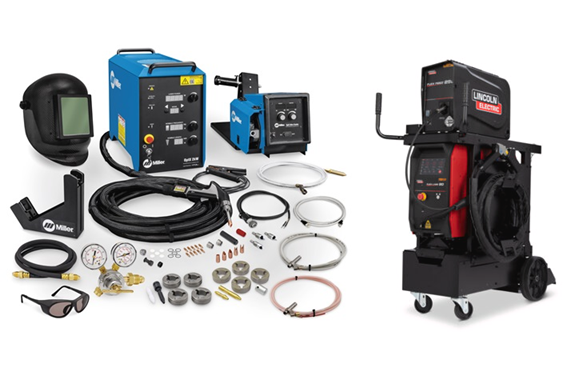
The Miller OptX™ Handheld Laser Welder is designed for shops that want to speed up production without giving up weld quality. Built for sheet metal applications, the 2kW, 240V system can weld material up to 5/16 inch thick and is marketed as delivering welding speeds up to four times faster than TIG, with minimal distortion and less pre- and post-weld finishing. Miller also positions it as an easier-to-use handheld laser platform, with pre-built welding and cleaning programs, a dedicated wire feeder, and a complete package that includes the torch, feeder, hardware kit, and laser-specific PPE. For fabrication teams looking to improve throughput while keeping results consistent, the OptX gives them a modern option that blends productivity, cleaner welds, and a simpler setup for day-to-day shop use.
The Lincoln Electric Flex Lase™ Handheld Laser Ready-Pak® is built for fabricators who want faster travel speeds, cleaner welds, and an easier path into handheld laser welding. This 2kW, air-cooled system runs on 230V single-phase power and is designed to deliver high-precision welding with less distortion, reduced spatter, and travel speeds Lincoln says can reach up to four times faster than TIG. The package is also positioned as an easier onboarding option for shops, helping newer operators produce quality welds sooner while giving experienced teams added capability through features like HyperFill® twin-wire compatibility. For general fabrication, aerospace, HVAC, automotive, and repair work, the Flex Lase offers a compact, production-focused option that blends speed, precision, and a more approachable laser welding setup.
Laser welding is a precise, efficient joining method used across multiple industries for its low thermal distortion. This article summarizes essential safety protocols, certification requirements and operational best practices for Lincoln and Miller handheld welders. As laser use expands, comprehensive safety training and strict adherence to regulatory standards become increasingly necessary. Understanding these elements is critical to maintain a safe workplace and to comply with OSHA and ANSI guidelines.
This guide outlines required safety protocols for laser welding, operator certification criteria and practical best practices for handheld welders. It also details recommended training courses and the role of personal protective equipment (PPE) in meeting safety standards. Readers will gain a clear view of the steps needed to achieve and document compliance.
Safety Protocols
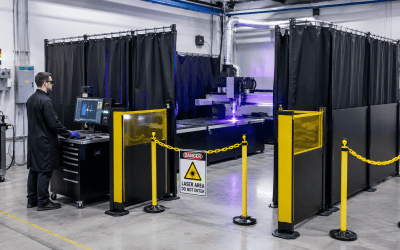
Safety protocols for laser welding are essential to prevent injury and to preserve a controlled work environment. They encompass hazard classification, the biological effects of exposure, and the implementation of technical and administrative controls. Consistent training and enforcement of these protocols materially reduce incident risk.
Hazard classification requires identifying laser class and associated risks, including radiation exposure and fire potential. Understanding biological effects informs exposure limits and medical precautions. Control measures—such as engineering barriers, interlocks and administrative procedures—mitigate identified hazards and protect personnel.
Certification Requirements
Certification verifies that operators of Lincoln and Miller handheld welders possess the training and knowledge required for safe operation. Certification processes align with OSHA and ANSI standards and specify required training content, documentation and record-keeping.
How Do OSHA 1910.1096 Regulations Apply to Lincoln and Miller Welders?
OSHA 1910.1096 regulations govern employer obligations for laser safety programs, including provision of training, appropriate PPE and formal documentation. Adherence to these requirements protects workers and reduces organizational liability.
What ANSI Guidelines Ensure Compliance in Laser Welding Operations?
The ANSI Z136.1 standards define accepted practices for hazard classification, engineering controls and operator training. Compliance with these standards ensures operators understand risks and implement the necessary precautions during laser welding.
How to Complete OSHA-Compliant Laser Safety Training for Lincoln & Miller Welders?
OSHA-compliant laser safety training requires initial certification covering laser fundamentals, hazard recognition and correct PPE use, followed by scheduled refresher education. Training must be documented and updated to reflect changes in equipment, procedures or regulations.
What Are the Steps to Become a Certified Laser Safety Officer?
Becoming a Certified Laser Safety Officer (CLSO) requires completion of a recognized certification course that addresses laser safety principles, risk assessment and regulatory compliance. Successful candidates demonstrate competence through examination and maintain records of continued professional development.
Best Practices for Handheld Welders
Adopt standardized operating procedures, model-specific training and rigorous PPE protocols to maximize safety and efficiency. Establish clear emergency procedures and ensure operators are familiar with the Lincoln Flex Lase and Miller OptX systems prior to use.
Operators must also recognize device-specific hazards, particularly when handheld laser systems include supplementary functions such as cleaning or cutting.
Handheld Laser Welding Qualification & Radiation Hazards Welders must be qualified and informed about laser radiation hazards. Many handheld laser beam welding systems also offer cleaning functions and some include cutting functions; these additional modes present greater risk, especially where touchdown or contact controls are omitted. Potential of handheld laser beam welding, 2025
- Training Requirements: Operators must receive comprehensive training on the specific models they will be using, including safety features and operational guidelines.
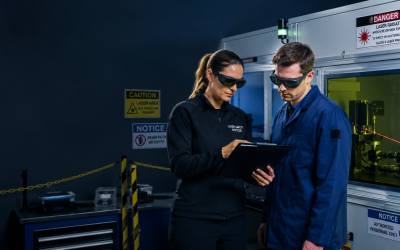
- PPE Usage: Personal protective equipment, such as laser safety goggles and protective clothing, is essential to protect against potential hazards.
- Emergency Procedures: Establishing clear emergency procedures can help mitigate risks and ensure a swift response in case of an incident.
Recommended Training Courses
A range of accredited courses is available for personnel seeking formal laser safety and certification. These programs address OSHA and ANSI requirements, hazard recognition and appropriate PPE selection and use.
- OSHA Laser Safety Training: This course provides an overview of OSHA regulations and their application to laser operations.
- ANSI Z136 Compliance Training: Focused on ANSI guidelines, this course ensures that operators understand the necessary safety measures.
- Laser Safety Officer Certification: This advanced course prepares individuals to become certified laser safety officers, equipping them with the skills needed to manage laser safety programs effectively.
What Are OSHA and ANSI Laser Safety Standards for Handheld Welders?
OSHA and ANSI standards specify protective measures, training requirements and administrative controls to reduce hazards associated with laser operations. Conformance to these standards is necessary to maintain a safe workplace and to limit operational risk.
Which Online Courses Meet ANSI and OSHA Requirements?
Several online courses satisfy ANSI and OSHA criteria and provide flexible instruction for operators. Such courses combine regulatory content with practical guidance to support compliance and competence.
- OSHA-Compliant Online Training: Offers comprehensive training on OSHA regulations and laser safety practices.
- ANSI Z136 Standards: Provides in-depth knowledge of ANSI guidelines and their application in laser operations.
- Laser Safety Officer Online Course: Prepares candidates for certification as laser safety officers through a structured online curriculum.
What Personal Protective Equipment Is Required for Safe Laser Welding?

Personal protective equipment is mandatory to limit exposure during laser welding. Required items include certified laser safety goggles, flame-resistant clothing and face protection designed for the laser class in use.
- Laser Safety Goggles: Protects the eyes from harmful laser radiation.
- Protective Clothing: Prevents skin exposure to laser beams and potential burns.
- Face Shields: Offers additional protection for the face and neck during operations.
How to Conduct a Laser Hazard Assessment for Handheld Welders?
A laser hazard assessment comprises defined steps to identify and control risks before operation commences.
- Identify Laser Class: Determine the classification of the laser being used to assess potential risks.
- Conduct Hazard Evaluation: Evaluate the work environment and identify potential hazards associated with laser operations.
- Implement Control Measures: Establish control measures to mitigate identified risks and ensure a safe working environment.
How Do Laser Safety Officers Manage Compliance and Incident Prevention?
Laser Safety Officers (LSOs) are responsible for establishing and enforcing compliance measures to prevent incidents. Their duties include program development, training oversight and incident investigation.
- Developing Safety Programs: Creating and implementing safety programs that adhere to OSHA and ANSI standards.
- Training and Education: Providing ongoing training and education to operators on laser safety practices.
- Incident Management: Responding to incidents and conducting investigations to prevent future occurrences.
What Are the Key Responsibilities of a Laser Safety Officer?
The principal responsibilities of a Laser Safety Officer are conducting regular risk assessments, monitoring regulatory compliance and maintaining accurate safety records.
- Conducting Risk Assessments: Regularly assessing the risks associated with laser operations and implementing necessary controls.
- Monitoring Compliance: Ensuring that all operations comply with OSHA and ANSI regulations.
- Maintaining Records: Keeping accurate records of training, incidents, and safety inspections.
How Do Certified Companies Reduce Laser Welding Incidents?
Certified organizations reduce incidents by enforcing formal safety protocols and delivering consistent, documented training. Compliance with OSHA and ANSI standards fosters a safety-first culture that protects personnel.
- Comprehensive Training: Ensuring all operators receive thorough training on safety practices and equipment operation.
- Regular Safety Audits: Conducting regular audits to identify potential hazards and areas for improvement.
- Incident Reporting Systems: Establishing systems for reporting and analyzing incidents to prevent future occurrences.
What Are the Latest Regulatory Updates Affecting Lincoln & Miller Laser Welders?
As of 2023, regulatory updates have increased emphasis on operator training, PPE standards and compliance monitoring that affect Lincoln and Miller laser welders.
- Increased Training Requirements: New regulations mandate comprehensive training for operators to ensure they are well-versed in safety protocols.
- Enhanced PPE Standards: Updated standards for personal protective equipment emphasize the importance of using high-quality protective gear.
- Stricter Compliance Monitoring: Regulatory bodies are increasing oversight of laser operations to ensure adherence to safety standards.
How Will OSHA and ANSI Changes Impact Laser Safety Training?
Revisions to OSHA and ANSI standards will require training providers to update curricula, ensuring instruction aligns with current regulatory expectations and operational practices.
- Updated Training Materials: Training materials will need to reflect the latest regulatory changes and best practices.
- Increased Focus on Compliance: Training programs will emphasize the importance of compliance with new regulations to ensure a safe working environment.
- Enhanced Practical Training: More hands-on training opportunities will be necessary to prepare operators for real-world scenarios.
Where to Find Official Resources and Compliance Guides?
Official compliance guidance and reference materials are available from recognized organizations such as OSHA and ANSI, which publish standards, guidance documents and training resources.
- OSHA Website: Offers comprehensive information on laser safety regulations and compliance requirements.
- ANSI Publications: Provides access to the latest ANSI standards and guidelines for laser safety.
- Industry Associations: Many industry associations offer resources and training materials related to laser safety and compliance.
Different laser safety training programs deliver distinct benefits and should be selected based on required compliance outcomes and operational needs.
| Program Type | Focus Area | Benefit | Compliance Level |
|---|---|---|---|
| OSHA Training | Regulatory Compliance | Ensures adherence to OSHA standards | High |
| ANSI Training | Safety Guidelines | Provides comprehensive safety practices | High |
| LSO Certification | Management Skills | Prepares individuals for safety oversight | High |
This comparison underscores the need to select a training program that provides both the required regulatory coverage and practical skills for safe laser welding operations.
Frequently Asked Questions
What are the common hazards associated with laser welding?
Common hazards include exposure to laser radiation, which can cause eye injury and skin burns, as well as fire risk and inhalation of hazardous fumes produced during welding. Proper hazard classification and risk assessment are required to identify these threats and to implement effective controls. Operators must be trained to recognize hazards and to use appropriate PPE.
How often should laser safety training be updated?
Laser safety training should be reviewed and updated regularly, typically on an annual basis, or sooner when equipment, procedures or regulations change. Regular refreshers reinforce hazard recognition, correct PPE use and emergency procedures to maintain compliance with OSHA and ANSI requirements.
What types of personal protective equipment (PPE) are recommended for laser welding?
Recommended PPE includes certified laser safety goggles matched to the laser wavelength and power, flame-resistant clothing to prevent burns, and face shields for additional protection. Heat-resistant gloves may be required for specific tasks. Select PPE that meets relevant safety standards.
What should be included in an emergency response plan for laser welding?
An effective emergency response plan should define procedures for fires and injuries, specify communication protocols and emergency contacts, and list first-aid and evacuation measures. The plan must include incident reporting steps and regular drills to ensure personnel can respond promptly and correctly.
How can companies ensure compliance with laser safety regulations?
Companies ensure compliance by implementing comprehensive training programs aligned with OSHA and ANSI standards, conducting regular safety audits and inspections, and maintaining accurate records of training and incidents. Appointing a qualified Laser Safety Officer further strengthens compliance and oversight.
What are the benefits of becoming a Certified Laser Safety Officer (CLSO)?
Certification as a Laser Safety Officer provides advanced knowledge of laser safety principles, risk assessment and regulatory compliance. CLSOs can develop and manage safety programs, conduct assessments and training, and provide authoritative oversight that improves organizational safety and credibility.
What resources are available for staying updated on laser safety regulations?
To remain current on laser safety regulations, consult OSHA and ANSI publications, participate in industry association events, and review technical guidance from recognized bodies. Subscribing to professional newsletters and attending workshops and webinars also supports ongoing compliance.
Conclusion
Understanding the safety protocols and certification requirements for Lincoln and Miller handheld welders is essential to maintain a secure workplace. Compliance with OSHA and ANSI standards reduces operational risk. Investing in formal training and appropriate PPE ensures regulatory adherence and improves overall safety. Explore the recommended training courses to advance your organization’s laser safety competence.